Healthy Honey Glazed Carrots | Glossy and Caramel-Edged
In this article:
- Why the Two Stage Glaze Makes These Carrots Shine
- Sweet, Salty and Just Tender: Getting the Bite Right
- A Thanksgiving Oven Plan That Actually Works
- Lighter Numbers, Same Glossy Finish
- Ingredients for the Honey Glazed Carrots
- How to Make Healthy Honey Glazed Carrots
- Maple, Orange and Air Fryer Variations
- Make Ahead and Reheat Without Losing the Shine
- Soggy Carrots or Thin Glaze? Read This First
- FAQ
Why the Two Stage Glaze Makes These Carrots Shine
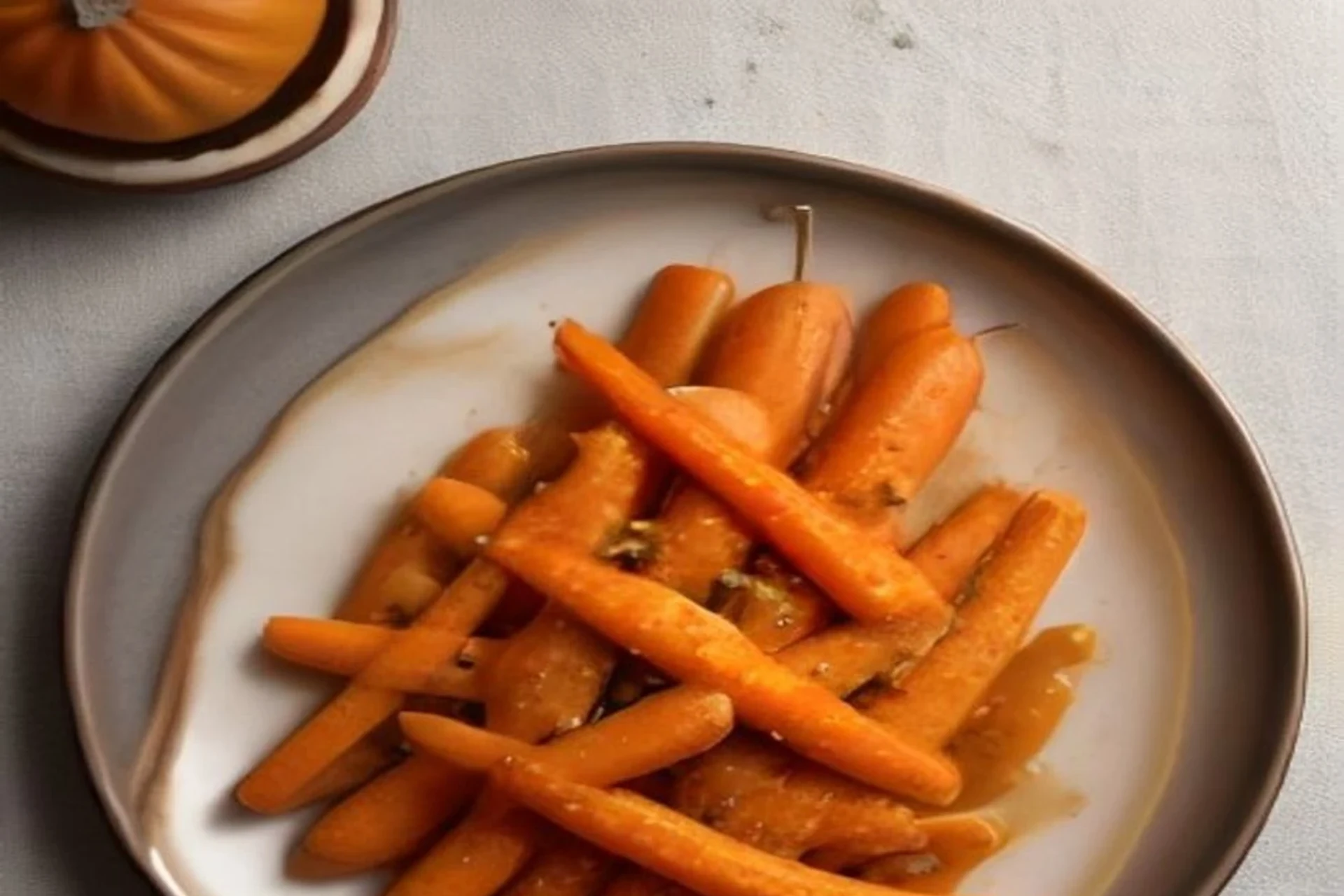
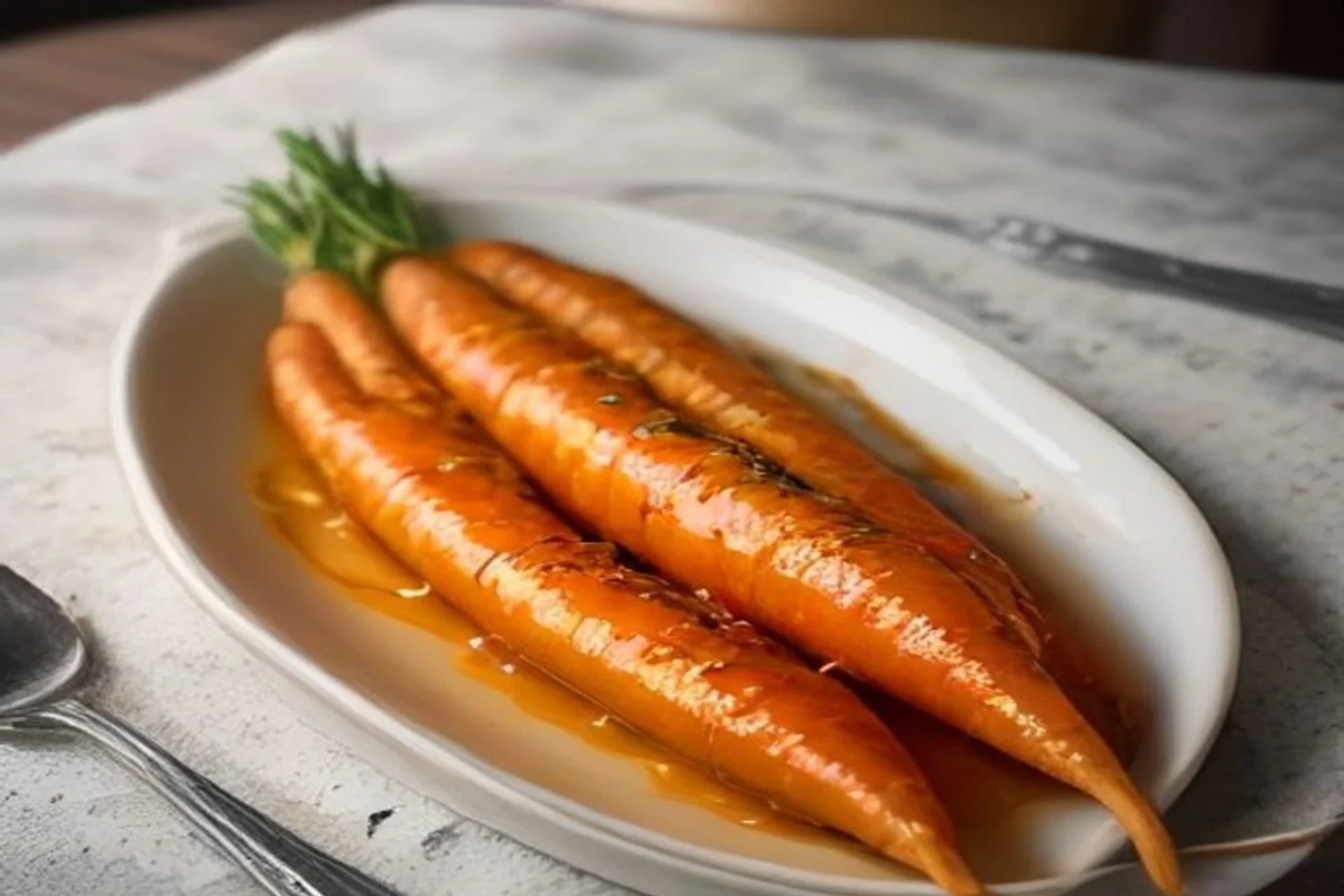
Healthy honey glazed carrots shine because the glaze goes on twice, and each coat has a different job. The first coat, brushed on near the end of roasting, bakes into a sticky lacquer that clings to every edge. The second coat, added off the heat, stays glossy and fresh tasting.
Most recipes choose between two failures. Boiled carrots in a butter glaze taste sweet but look pale and watery. Carrots roasted in honey from the start scorch, because honey burns long before the centers turn tender. Separating the cooking from the glazing fixes both problems at once.
High heat does the flavor work first. At 425 degrees, the natural sugars in the carrots caramelize at the edges, building a deep, almost roasted sweetness before any honey arrives. By the time the glaze goes on, the carrots already taste like themselves, only more so.
The ingredient list stays short on purpose: carrots, olive oil, honey, lemon, thyme, salt. Nothing competes with the carrot flavor, and the lemon keeps the sweetness bright instead of heavy. On a crowded Thanksgiving plate, that brightness is exactly what the rich dishes around it need.
Sweet, Salty and Just Tender: Getting the Bite Right
The ideal bite gives a little resistance, then yields. Carrots cut into even batons, about the thickness of a finger, roast at the same speed and finish with supple centers. Thin tips caramelize first, which is a feature, not a flaw: they turn almost candied.
Salt is doing more than seasoning here. A proper half teaspoon across two pounds pulls moisture to the surface early, which helps the edges dry and brown instead of steam. Finish with flaky salt at the table and the contrast against the sweet glaze wakes up the whole dish.
Thyme threads a savory, almost piney note through the sweetness. Its tiny leaves char lightly at the edges and perfume the glaze as it sets. Parsley added at serving brings a fresh green color that makes the orange glow deeper by contrast.
Serve them warm, not piping hot. Five minutes of rest lets the glaze settle into a shine instead of a puddle, and the flavors round out. Piled on a warm platter, they hold their gloss through the whole first round of serving.
Next to the deep green of beans and the pale gold of our healthy mashed potatoes, these carrots bring the color a Thanksgiving table is often missing. They are the dish that makes the whole spread look abundant in photographs and in person.
Cut size decides the personality of the dish. Slim batons give many crisp edges and a rustic, plentiful look on the platter. Thick half moons roast softer and sweeter, almost like a gratin without the cream. Both shapes take the same glaze and the same timing logic.
A Thanksgiving Oven Plan That Actually Works
Thanksgiving oven space is a negotiation, and carrots are flexible negotiators. They roast at 425 degrees while the turkey rests, which is the exact window when the oven is finally free. Thirty minutes, one sheet pan, no burner required, and they emerge as the turkey is being carved.
If your oven runs cooler because it is packed, slide the pan onto the lowest rack where the heat is most direct. The carrots forgive a crowded oven better than any other side. They also forgive a late start, because ten extra minutes only deepens their edges.
For a smaller gathering, the air fryer takes over completely. The same batons cook at 400 degrees for about 14 minutes, shaken twice, with the glaze brushed on for the final three. The method scales down to a single pound without changing a single ingredient.
Leftovers night runs on the same logic, just later in the week. Among all our healthy side dishes, this is the one that reheats with its personality intact, which is why we always roast the full two pounds. A planned second serving beats a hurried extra batch every time.
Plan the pan itself, too. A large rimmed sheet gives every baton its own space to brown; a small crowded pan steams them pale. When in doubt, use two pans and rotate them. Our healthy cornbread stuffing rewards the same breathing room, so the habit pays off twice in one meal.
Lighter Numbers, Same Glossy Finish
The classic version of this dish leans on a quarter cup of butter and a quarter cup of honey for two pounds of carrots. This version uses one tablespoon of olive oil for the roasting and two tablespoons of honey in the glaze, applied where it counts: on the surface, at the end.
A generous serving of these healthy honey glazed carrots comes to about 108 calories, with roughly 3 grams of fat, 19 grams of carbohydrates, 3 grams of fiber and 12 grams of natural sugars. The classic buttery version of the same portion lands near 185 calories. The difference is real, and the shine on the plate is identical.
Carrots bring serious nutrition to that small calorie budget. They are one of the richest common sources of beta carotene, which the body converts to vitamin A, a nutrient the NIH Office of Dietary Supplements singles out for eye and immune health. Cooking them in a little fat, as this recipe does, helps that vitamin absorb.
The lemon juice is the other quiet lightener. Acid makes sweetness read louder, so the glaze tastes generous at two tablespoons of honey instead of four. A pinch of orange zest in the finish pushes the perception further, toward bright and fruity rather than sugary.
There is also a texture dividend to the lighter formula. Heavy butter glazes coat the tongue and mute the carrot flavor within a few bites. The thin honey glaze keeps the caramelized edges crisp tasting, so the last carrot on the platter eats as vividly as the first one served.
Ingredients for the Honey Glazed Carrots
- 2 pounds (900 g) carrots, peeled and cut into finger thick batons
- 1 tablespoon olive oil
- 1/2 teaspoon fine sea salt, plus flaky salt to finish
- 1/4 teaspoon black pepper
- 1 teaspoon fresh thyme leaves, plus more to serve
- 2 tablespoons honey
- 1 tablespoon butter, or coconut oil for dairy free
- 1 tablespoon fresh lemon juice
- 1 teaspoon orange zest
- 1/4 teaspoon ground cinnamon (optional)
- 1 tablespoon chopped fresh parsley, to serve
How to Make Healthy Honey Glazed Carrots
- Preheat the oven to 425 degrees F (220 degrees C). Line a large rimmed sheet pan with parchment paper for easy cleanup.
- Cut the carrots into even batons about 3 inches long and the thickness of a finger. Slender whole carrots can stay whole; very thick carrots should be halved lengthwise so everything cooks at the same speed.
- Toss the carrots on the pan with the olive oil, sea salt, pepper and thyme until every piece looks lightly glossy. Spread them in a single layer with space between pieces.
- Roast for 20 minutes, until the carrots are just tender when pierced and the edges are starting to caramelize in spots.
- While they roast, warm the honey, butter, lemon juice, orange zest and cinnamon in a small saucepan over low heat, stirring until melted and combined. Keep it warm; cold glaze will not coat evenly.
- Pull the pan out and drizzle half the glaze over the carrots. Toss right on the pan with tongs until every baton shines.
- Return the pan to the oven for 8 to 10 more minutes, until the glaze looks sticky and the edges deepen to a rich amber.
- Transfer the carrots to a warm serving platter. Brush with the remaining warm glaze for the final gloss.
- Finish with flaky salt, extra thyme leaves and the chopped parsley. Rest 5 minutes so the glaze sets, then serve warm.
Maple, Orange and Air Fryer Variations
The maple variation swaps honey for two tablespoons of maple syrup and adds a pinch of smoked paprika. The flavor turns deeper and woodsier, which suits a menu built around roasted squash. It is also fully vegan when the butter becomes coconut oil, a swap nobody detects under the glaze.
For an orange forward version, replace the lemon juice with orange juice and double the zest. The carrots taste brighter and fruitier, almost like a holiday relish in side dish form. This is the version to serve beside our healthy turkey gravy, whose savory depth loves a citrus counterpoint.
Rainbow carrots make the prettiest platter of all. Purple, yellow and white carrots roast at the same speed as orange ones, and their colors intensify under the glaze. Keep the purple ones in larger pieces, since their color bleeds slightly onto neighbors when cut small.
A spiced variation leans warm: add a quarter teaspoon of ground cumin and a pinch of chili flakes to the glaze. The heat stays gentle, more glow than fire, and it pairs beautifully with the grains in our healthy wild rice pilaf. One glaze base, four distinct personalities, all from the same sheet pan.
A sesame finish takes the dish in a different direction for weeknights. Shower the glazed carrots with a teaspoon of toasted sesame seeds and sliced scallion greens instead of parsley. The nutty crunch flatters the honey, and the platter suddenly suits a rice bowl dinner as easily as a holiday table.
Make Ahead and Reheat Without Losing the Shine
The smartest Thanksgiving move is a partial roast the day before. Roast the carrots with oil and salt for the first 15 minutes only, cool them on the pan, and refrigerate in a covered container. They hold perfectly for 24 hours at this stage.
On the day, spread the cold carrots back on a sheet pan and roast at 425 degrees for 10 minutes to reheat and finish cooking. Glaze them exactly as written, both coats, and they come out indistinguishable from a batch made start to finish. Nobody at the table will know your secret.
Leftovers keep for four days in the refrigerator. Reheat them in a dry skillet over medium heat, where the glaze re melts and the edges crisp again. The microwave works, but the shine fades, so save it for a quiet weekday lunch instead of a second showing.
Cold leftovers have a second life, too. Chop them into a grain bowl, fold them into a lentil soup, or blend them into a carrot ginger soup base. The glaze you worked for keeps seasoning whatever it touches, which makes the leftovers taste planned rather than rescued.
One storage detail protects the finish: let the carrots cool completely before the lid goes on. Trapped steam softens the edges and thins the glaze overnight. Ten patient minutes on the counter keeps tomorrow’s reheated carrots noticeably closer to tonight’s original batch.
Soggy Carrots or Thin Glaze? Read This First
Soggy carrots almost always trace back to crowding. When batons touch, they steam in their own moisture and never caramelize. Use a bigger pan or two pans, and pat very wet carrots dry before the oil goes on. Surface dryness is the entire difference between roasted and boiled flavor.
A thin, runny glaze means the carrots gave off juice in the oven, usually because they were salted long before roasting. Salt them right before the pan goes in, not while they wait. If the glaze still looks loose, return the pan for three extra minutes and let the oven reduce it onto the carrots.
Scorched honey has a different signature: dark spots that taste bitter. It happens when the glaze goes on too early or the oven runs hot at the back. Glaze only in the final ten minutes, rotate the pan once, and pull the carrots when the glaze bubbles thickly rather than waiting for deep color.
Undercooked centers come from uneven cutting more than from timing. Weigh your batons against your finger as you cut, and give the thickest pieces a two minute head start in the oven. Even sizes are the least glamorous and most reliable technique in this whole recipe.
Finally, trust the pierce test over the clock. A knife should slide into the thickest baton with gentle resistance, never a crunch and never a collapse. Ovens vary by twenty degrees without saying so, and the carrots will tell you the truth faster than any timer.
Conclusion
Healthy honey glazed carrots prove that a lighter side dish can still be the glossiest thing on the table. Roast first for deep caramel edges, glaze twice for shine, and let lemon and thyme keep the sweetness honest. Your Thanksgiving plate, and everyone filling it, gets exactly the bright, tender bite it was missing.
Make the full batch even for a small table. The leftovers are a gift to your future lunches, and the method, once learned, works on parsnips, sweet potatoes, and every root vegetable winter sends your way.
FAQ
Why is my honey glaze thin and watery on the carrots?
A watery glaze usually means the carrots released juice in the pan, either from crowding or from being salted too early. Salt right before roasting, spread the batons in a single layer, and glaze only in the final 10 minutes. If it is still loose, three extra minutes in the oven reduces it onto the carrots.
Can I make healthy honey glazed carrots with baby carrots?
Yes, baby carrots work and skip the peeling and most of the cutting. They hold more surface water, so pat them very dry and add about 5 minutes to the first roast. Their edges caramelize less than cut batons, but the two stage glaze still gives them the same glossy finish.
How do I keep roasted glazed carrots from going soggy?
Space is everything: a single layer with gaps lets moisture escape and edges brown. Roast at a full 425 degrees, avoid covering the pan, and rest the finished carrots on a warm platter rather than in their pan juices. Reheating in a dry skillet restores the texture far better than a microwave.
Can I make these honey glazed carrots in the air fryer?
Yes. Toss the batons with oil, salt and thyme, then air fry at 400 degrees for about 14 minutes, shaking the basket twice. Brush on the first half of the glaze for the final 3 minutes, then finish with the rest off the heat. Work in two batches for two pounds so the air can circulate.
What can replace honey in these glazed carrots for a vegan version?
Maple syrup is the closest swap, used in the same two tablespoon measure, with coconut oil replacing the butter. Agave also works but tastes sweeter and thinner, so reduce it to one and a half tablespoons. The two stage glazing method stays exactly the same, and the shine is nearly identical.
Healthy Honey Glazed Carrots
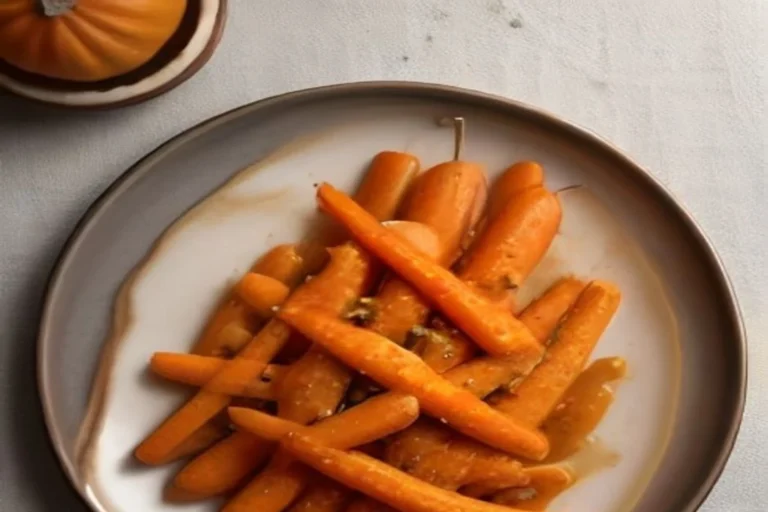
Roasted carrots with a two stage honey glaze: high heat first for caramelized edges, then a warm honey lemon glaze applied twice for a glossy finish with far less honey and butter than the classic. Bright with thyme and orange zest, sized for a Thanksgiving table, and friendly to make ahead.
- Total Time: 45 minutes
- Yield: 8 servings 1x
Ingredients
- 2 pounds (900 g) carrots, peeled and cut into finger thick batons
- 1 tablespoon olive oil
- 1/2 teaspoon fine sea salt, plus flaky salt to finish
- 1/4 teaspoon black pepper
- 1 teaspoon fresh thyme leaves, plus more to serve
- 2 tablespoons honey
- 1 tablespoon butter, or coconut oil for dairy free
- 1 tablespoon fresh lemon juice
- 1 teaspoon orange zest
- 1/4 teaspoon ground cinnamon (optional)
- 1 tablespoon chopped fresh parsley, to serve
Instructions
- Preheat the oven to 425 degrees F (220 degrees C). Line a large rimmed sheet pan with parchment paper.
- Cut the carrots into even batons about 3 inches long and the thickness of a finger. Halve very thick carrots lengthwise so everything cooks at the same speed.
- Toss the carrots on the pan with the olive oil, sea salt, pepper and thyme until lightly glossy. Spread in a single layer with space between pieces.
- Roast for 20 minutes, until just tender when pierced and starting to caramelize at the edges.
- Warm the honey, butter, lemon juice, orange zest and cinnamon in a small saucepan over low heat, stirring until melted and combined. Keep warm.
- Drizzle half the glaze over the carrots and toss on the pan with tongs until every baton shines.
- Return to the oven for 8 to 10 more minutes, until the glaze looks sticky and the edges deepen to a rich amber.
- Transfer to a warm serving platter and brush with the remaining warm glaze for the final gloss.
- Finish with flaky salt, extra thyme leaves and the chopped parsley. Rest 5 minutes so the glaze sets, then serve warm.
- Prep Time: 15 minutes
- Cook Time: 30 minutes