
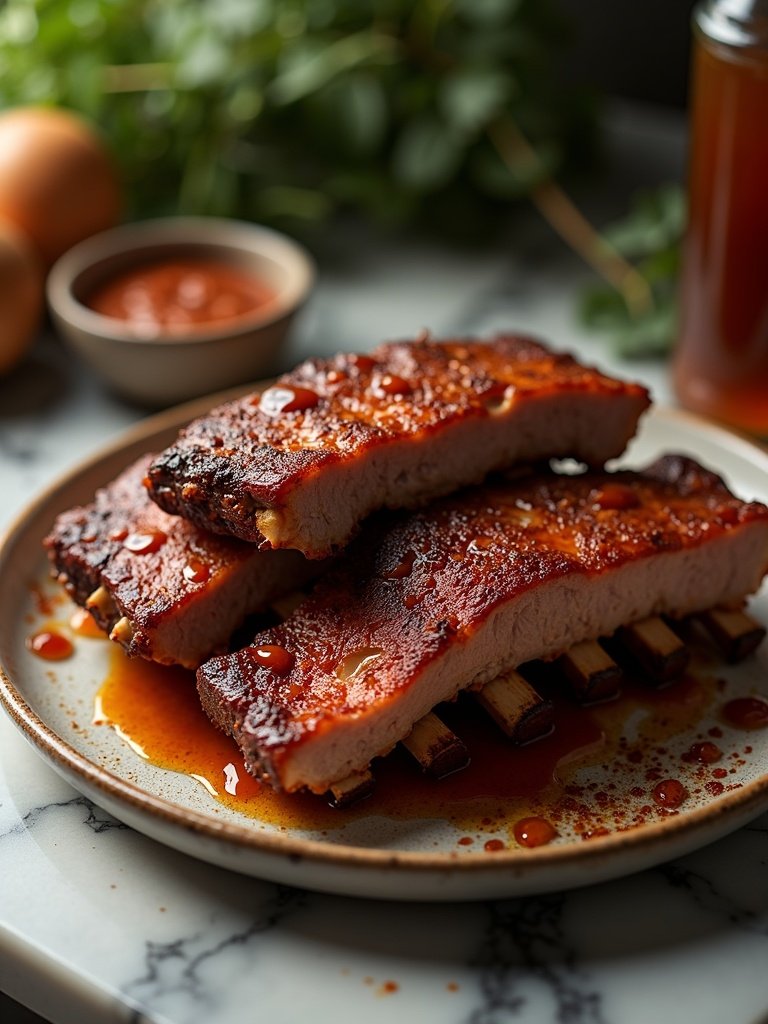
The Ultimate BBQ Ribs Experience: A Masterclass in Tender, Fall-Off-The-Bone Goodness
As the summer months approach, our minds turn to the quintessential backyard barbecue. And what’s a BBQ without a rack of tender, juicy ribs that’s sure to impress family and friends alike? For many of us, BBQ ribs evoke memories of lazy summer afternoons spent gathered around the grill, savoring the sweet, tangy, and smoky flavors that only slow-cooked ribs can provide. But achieving that perfect, fall-off-the-bone texture and depth of flavor can be a daunting task, especially for those new to the world of BBQ. Fear not, dear readers, for today we’re going to dive into the world of BBQ ribs like never before, with a comprehensive guide to creating the most mouthwatering, finger-licking good ribs you’ve ever tasted.
Why This Recipe Works
The secret to our ultimate BBQ ribs lies in a combination of careful ingredient selection, precise temperature control, and a deep understanding of the science behind tenderizing tougher cuts of meat. By using a dry rub that combines sweet, smoky, and spicy flavors, we’re able to create a complex and aromatic flavor profile that complements the rich, beefy taste of our ribs. The key to tenderizing the meat lies in the low-and-slow cooking method, which involves cooking the ribs at a low temperature for an extended period, allowing the connective tissues to break down and the meat to become tender and easily shredded.
Flavor Profile
The flavor profile of our BBQ ribs is a masterclass in balance and harmony. The dry rub, which includes a blend of brown sugar, smoked paprika, garlic powder, and chili powder, provides a sweet, smoky, and slightly spicy flavor that complements the beefy taste of the ribs. As the ribs cook, the dry rub forms a crust on the surface, known as the “bark,” which adds a satisfying texture and a depth of flavor that’s simply irresistible. The BBQ sauce, made with a combination of ketchup, apple cider vinegar, and honey, adds a tangy, sweet, and sticky element that enhances the overall flavor experience.
- 2 racks of beef ribs (either back ribs or short ribs work well)
- 1/4 cup dry rub (see below for recipe)
- 1 cup BBQ sauce (see below for recipe)
- 2 tablespoons brown sugar
- 1 tablespoon smoked paprika
- 1 tablespoon garlic powder
- 1 tablespoon chili powder
- 1 teaspoon salt
- 1/2 teaspoon black pepper
- 1/4 cup apple cider vinegar
- 1/4 cup honey
Dry Rub Recipe:
- 2 tablespoons brown sugar
- 1 tablespoon smoked paprika
- 1 tablespoon garlic powder
- 1 tablespoon chili powder
- 1 teaspoon salt
- 1/2 teaspoon black pepper
BBQ Sauce Recipe:
- 1 cup ketchup
- 1/4 cup apple cider vinegar
- 1/4 cup honey
- 2 tablespoons brown sugar
- 1 teaspoon smoked paprika
- 1 teaspoon garlic powder
Step by Step
- Preheat your grill to 275°F (135°C), using a combination of charcoal and wood chips to create a smoky heat.
- In a small bowl, mix together the dry rub ingredients.
- Remove the membrane from the back of the ribs (this will help the dry rub penetrate the meat).
- Apply the dry rub evenly to both racks of ribs, making sure to coat all surfaces.
- Place the ribs on the grill, bone side down, and close the lid.
- Cook the ribs for 2 1/2 hours, or until they reach an internal temperature of 160°F (71°C).
- While the ribs are cooking, prepare the BBQ sauce by combining the ingredients in a saucepan and simmering over low heat for 10-15 minutes.
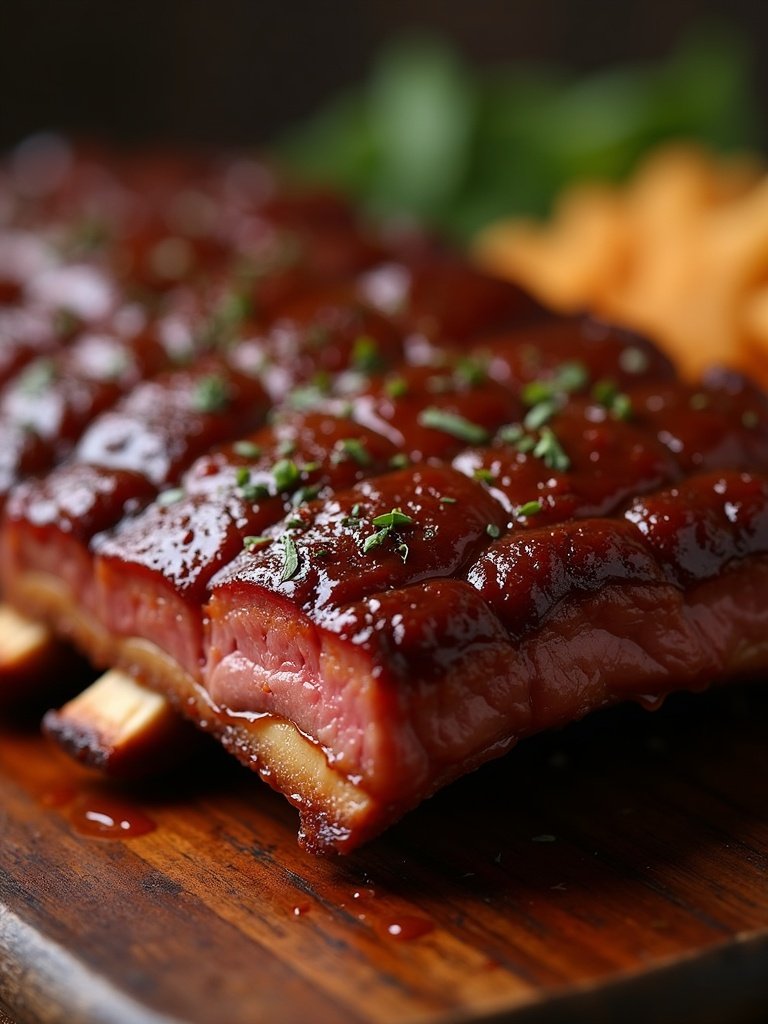
- After 2 1/2 hours, brush the ribs with the BBQ sauce and continue to cook for an additional 15-20 minutes, or until the sauce is caramelized and sticky.
- Remove the ribs from the grill and let them rest for 10-15 minutes before slicing and serving.
Success Tips
- Make sure to remove the membrane from the back of the ribs to allow the dry rub to penetrate the meat.
- Use a meat thermometer to ensure the ribs reach a safe internal temperature.
- Don’t be afraid to experiment with different dry rub and BBQ sauce recipes to find your perfect flavor combination.
- Let the ribs rest for at least 10-15 minutes before slicing to allow the juices to redistribute.
Health Benefits
While BBQ ribs may not be the first thing that comes to mind when thinking of healthy eating, they can be a nutritious and satisfying option when made with leaner cuts of meat and plenty of vegetables. Beef ribs are a good source of protein, vitamins, and minerals, including iron, zinc, and B vitamins. By using a dry rub and BBQ sauce made with wholesome ingredients, we can avoid adding excessive amounts of sugar, salt, and unhealthy fats.
Storage
Leftover BBQ ribs can be stored in an airtight container in the refrigerator for up to 3 days. To reheat, simply wrap the ribs in foil and warm them in a low-temperature oven (275°F/135°C) for 10-15 minutes, or until heated through.
Conclusion
With this comprehensive guide, you’ll be well on your way to creating the most mouth-watering, finger-licking good BBQ ribs you’ve ever tasted. By combining a dry rub, low-and-slow cooking, and a tangy BBQ sauce, we’ll create a truly unforgettable BBQ experience that’s sure to impress family and friends alike.
FAQ
- Q: Can I use a different type of meat for this recipe?
A: While beef ribs work best for this recipe, you can also experiment with lamb or venison ribs for a unique flavor profile.
- Q: How do I know when the ribs are done?
A: Use a meat thermometer to check the internal temperature, which should reach 160°F (71°C) for tender, fall-off-the-bone meat.
- Q: Can I make the dry rub and BBQ sauce ahead of time?
A: Yes, both the dry rub and BBQ sauce can be made ahead of time and stored in airtight containers in the refrigerator for up to 1 week.
- Q: How do I prevent the ribs from becoming dry?
A: Make sure to cook the ribs low and slow, and use a dry rub that includes ingredients like brown sugar and honey to help retain moisture.
- Q: Can I cook the ribs in the oven instead of on the grill?
A: Yes, you can cook the ribs in a low-temperature oven (275°F/135°C) for 2 1/2 hours, or until they reach an internal temperature of 160°F (71°C).
'); printWin.document.write(content); printWin.document.write('