Easy Pasta Recipes for Quick and Delicious Meals
Why This Easy Pasta Recipes Works
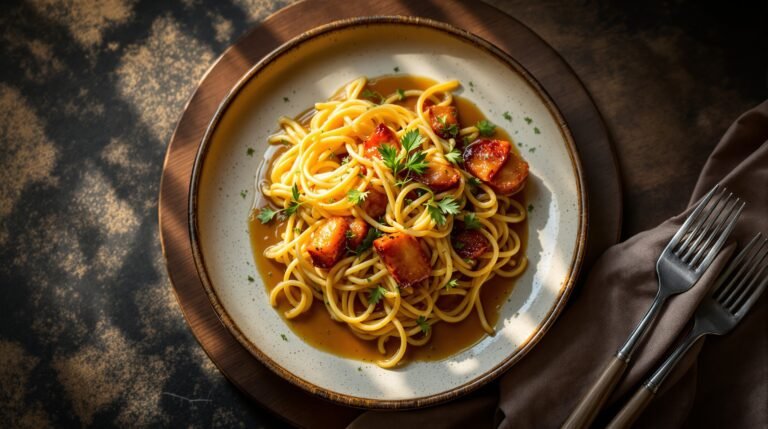
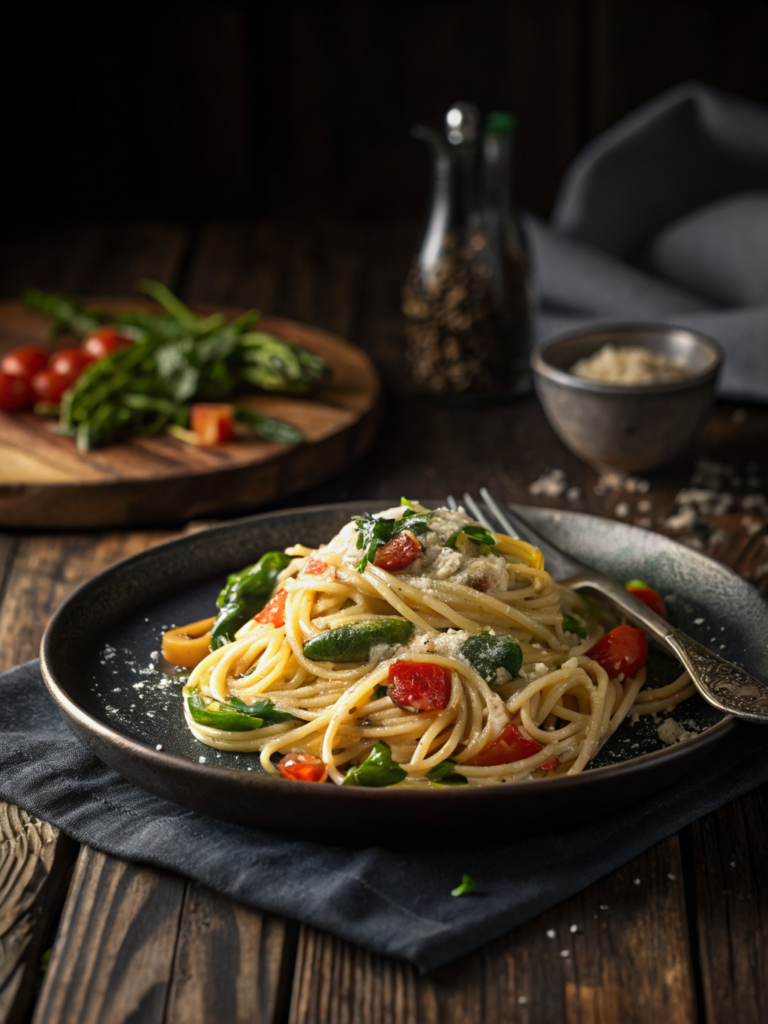
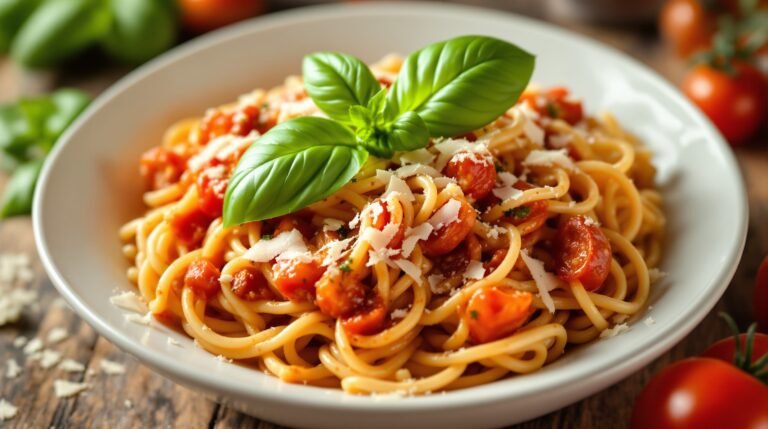
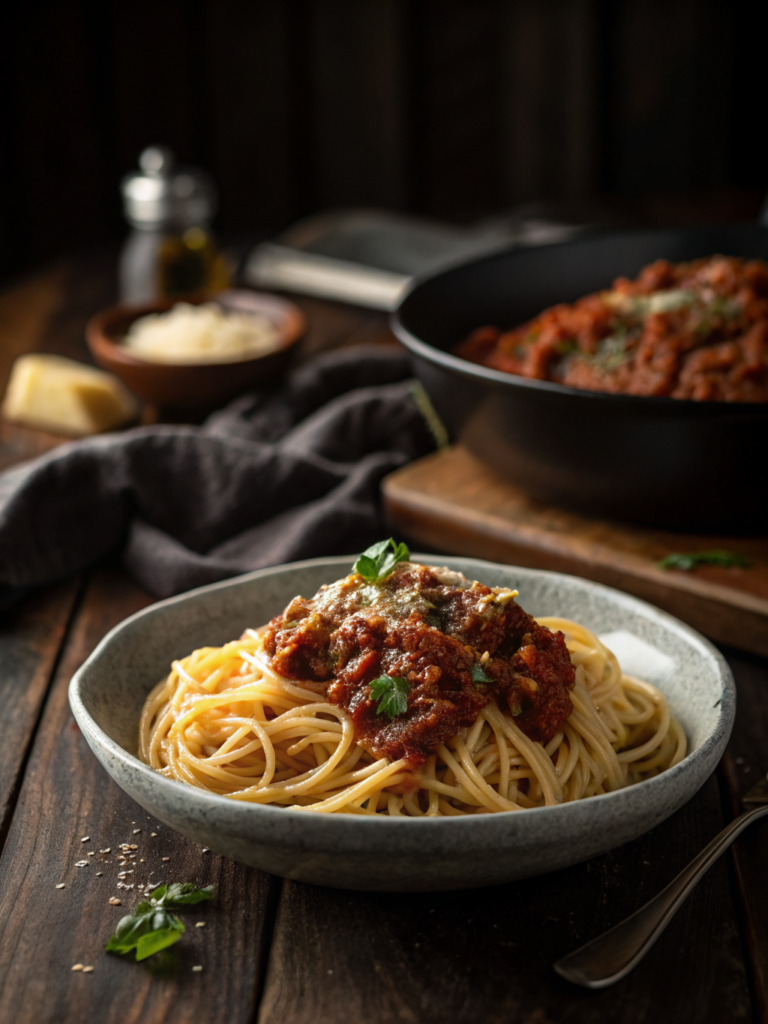
Easy pasta recipes are a lifesaver for those busy days when you need a quick meal without sacrificing flavor. The simplicity of pasta allows it to pair well with a variety of ingredients, making it versatile and adaptable to whatever you have on hand. The key to these recipes is using fresh ingredients and balancing flavors, which ensures that each dish is both satisfying and delicious. Whether you’re using a classic tomato sauce or a creamy Alfredo, the pasta acts as a perfect vehicle to carry the flavors, making it a favorite in many households.
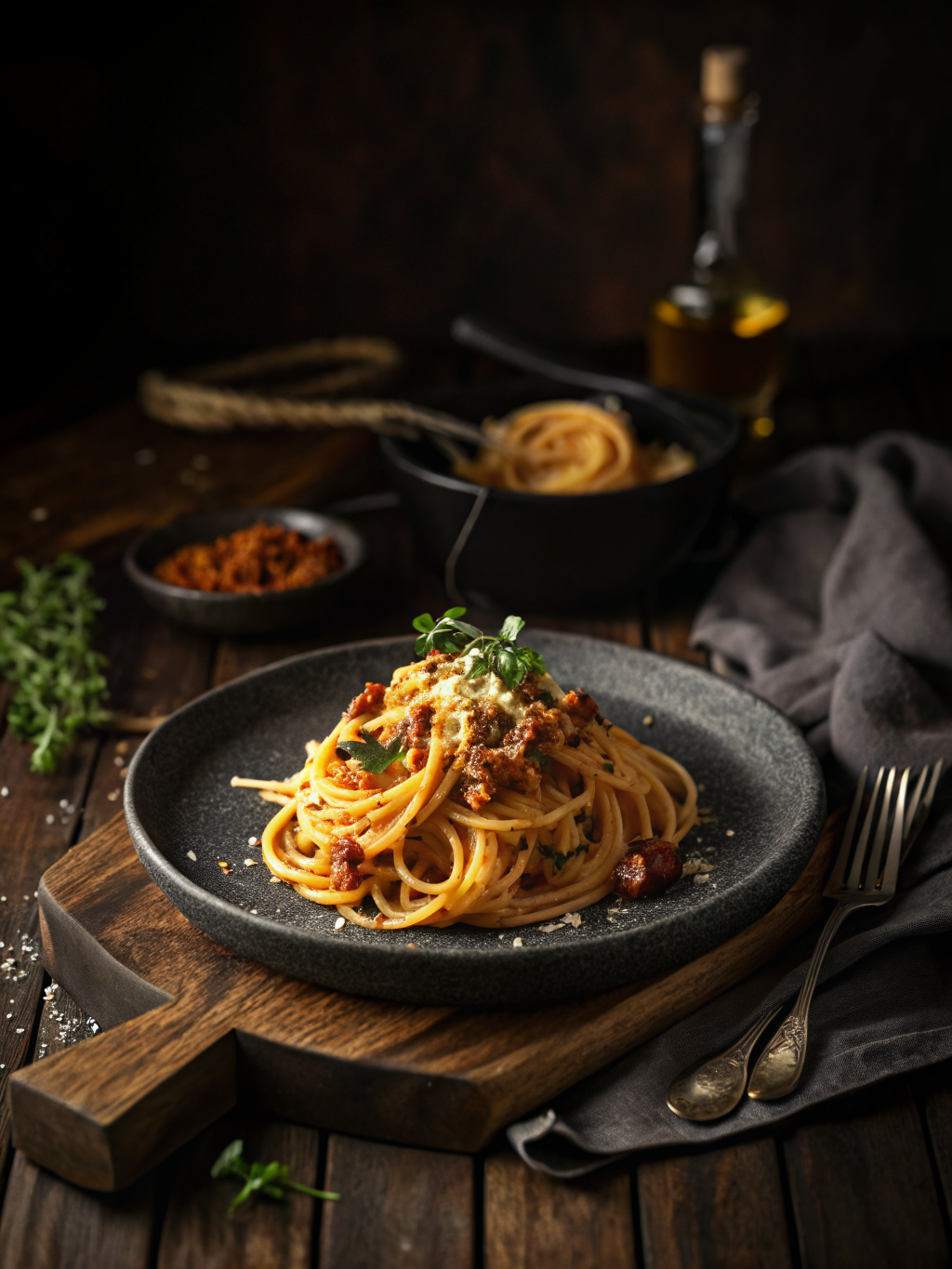
Another reason these recipes work so well is their flexibility. You can easily swap out ingredients based on dietary preferences or what’s available in your pantry. Plus, pasta cooks quickly, often in under 10 minutes, which means you can have a complete meal ready in less than 30 minutes. This makes it ideal for weeknight dinners or impromptu gatherings. The combination of speed, ease, and deliciousness makes easy pasta recipes a staple in any kitchen.
Ingredients Notes
When preparing easy pasta recipes, the quality of your ingredients can make a significant difference. Start with good-quality pasta, whether it’s spaghetti, penne, or fusilli. The texture and flavor of the pasta itself can elevate the entire dish. For sauces, fresh tomatoes, garlic, and herbs like basil or oregano can enhance the flavor profile significantly. If you’re using cheese, such as Parmesan or mozzarella, opt for freshly grated varieties for the best results.
Proteins such as chicken, shrimp, or turkey sausage can be added to these recipes for extra heartiness. Vegetables like bell peppers, spinach, or mushrooms not only add color but also contribute essential nutrients. Olive oil, a staple in many pasta dishes, should be of high quality to impart a rich, fruity flavor. Seasonings like salt, pepper, and red pepper flakes can be adjusted to taste, allowing you to customize the dish to your liking.
Step by Step Instructions
1. Begin by bringing a large pot of salted water to a boil. Add your choice of pasta and cook according to package instructions until al dente. Drain and set aside, reserving a cup of pasta water.
2. In a large skillet over medium heat, add olive oil and minced garlic. Sauté until the garlic is fragrant, about 1-2 minutes. Be careful not to burn the garlic as it can become bitter.
3. Add your choice of protein, such as diced chicken or shrimp, and cook until fully cooked through. If using vegetables, add them at this stage and sauté until tender.
4. Pour in your sauce of choice, whether it’s a marinara, Alfredo, or pesto. Stir to combine, allowing the flavors to meld together. If the sauce is too thick, add reserved pasta water a little at a time until the desired consistency is reached.
5. Add the cooked pasta to the skillet and toss to coat evenly with the sauce. Cook for an additional 2-3 minutes to ensure the pasta absorbs the flavors.
6. Remove from heat and serve immediately, garnished with freshly grated Parmesan cheese and chopped fresh herbs if desired.
Expert Tips for the Best Easy Pasta Recipes
To achieve the best results with easy pasta recipes, always salt your pasta water generously. This is your only chance to season the pasta itself. When draining pasta, reserve some of the cooking water. It’s rich in starch and can help thicken sauces, making them cling better to the pasta.
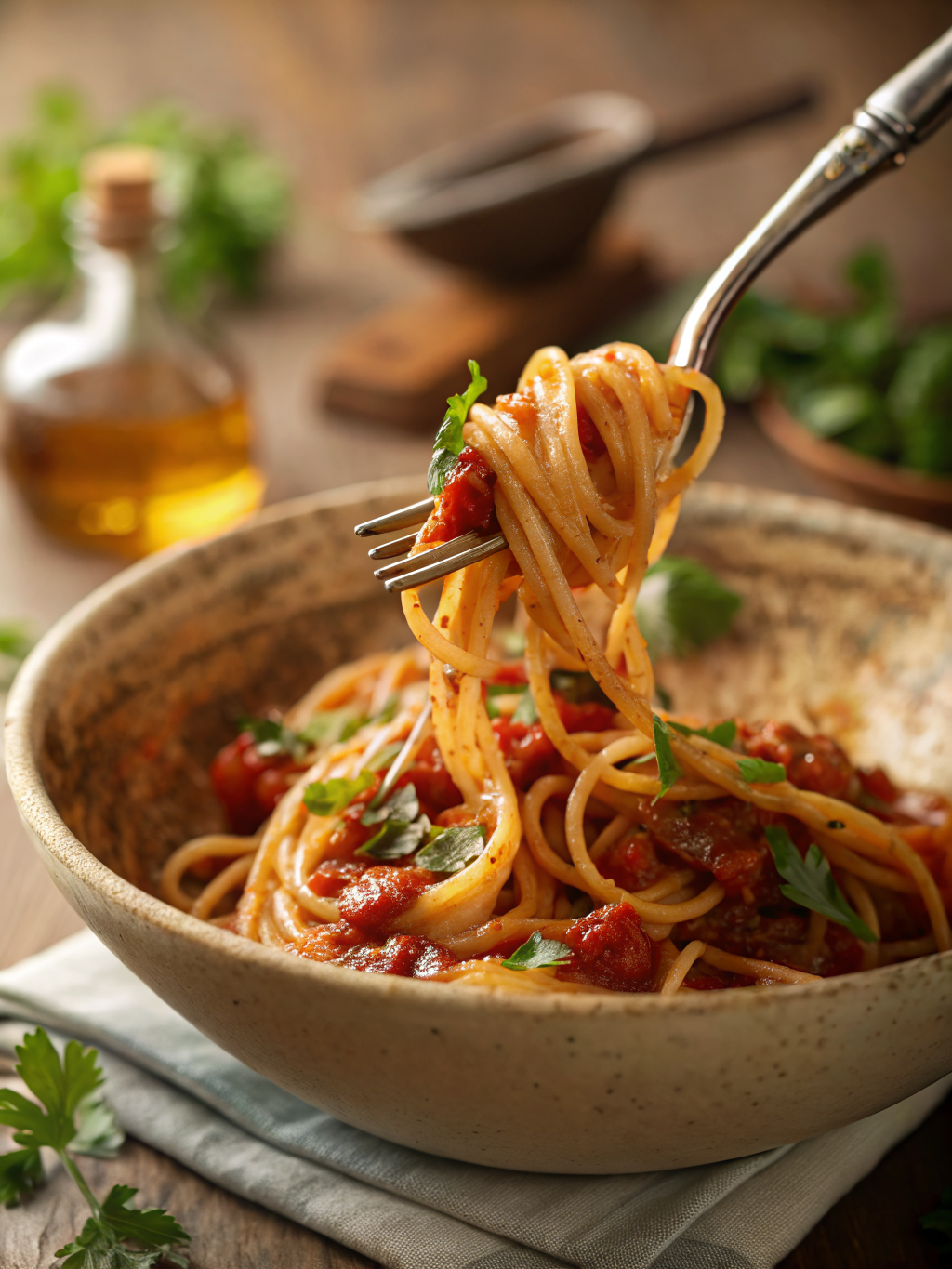
Don’t overcrowd the pan when cooking proteins or vegetables. This ensures even cooking and prevents steaming, which can make them soggy. For a richer flavor, toast spices like red pepper flakes or black pepper in the oil before adding other ingredients.
Experiment with different pasta shapes. Each shape holds sauce differently, so try out various types to see which you prefer for different recipes. Lastly, always taste and adjust seasonings before serving to ensure the flavors are balanced and to your liking.
Variations
Easy pasta recipes are incredibly versatile, allowing for numerous variations. For a vegetarian option, replace the protein with hearty vegetables like mushrooms or eggplant. You can also add a variety of beans for added protein and texture.
If you’re looking for a lighter option, consider using whole wheat or gluten-free pasta. These alternatives can provide additional fiber and nutrients while still delivering on flavor. For a smoky twist, incorporate smoked turkey or turkey bacon instead of traditional bacon.
To add a bit of heat, include red pepper flakes or a dash of hot sauce. You can also experiment with different cheeses, such as feta or goat cheese, to change the flavor profile of the dish.
What to Serve With This Easy Pasta Recipes
Easy pasta recipes pair well with a variety of side dishes. A simple green salad with a tangy vinaigrette can provide a refreshing contrast to the richness of the pasta. Garlic bread or a crusty baguette is perfect for soaking up any extra sauce on your plate.
For a more substantial meal, consider serving the pasta alongside a protein like grilled chicken or fish. This can add variety and make the meal more filling. A side of roasted vegetables can also complement the pasta, adding both color and nutrition to your plate.
Don’t forget about beverages. A crisp white wine or a light red can enhance the flavors of the pasta, while a sparkling water with lemon can cleanse the palate between bites.
Storage and Make-Ahead
Easy pasta recipes can be stored in an airtight container in the refrigerator for up to 3 days. When reheating, add a splash of water or broth to loosen the sauce and prevent the pasta from drying out.
To make ahead, prepare the sauce and cook the pasta separately. Combine them just before serving to ensure the pasta doesn’t become mushy. This method also allows you to freeze the sauce for up to 3 months, making it easy to whip up a quick meal when needed.
FAQ
Can I make easy pasta recipes ahead of time?
Yes, you can prepare the sauce in advance and store it in the fridge or freezer. Cook the pasta fresh before serving for the best texture.
How do I know when the pasta is done?
Pasta is done when it’s al dente, meaning it should be firm to the bite but not hard. Taste a piece a minute or two before the package suggests.
What can I substitute for Parmesan cheese?
If you don’t have Parmesan, try using Pecorino Romano or Asiago for a similar flavor profile. Nutritional yeast is a good vegan alternative.
How can I prevent my pasta from sticking?
To prevent sticking, stir the pasta occasionally while it cooks and add a bit of oil to the water. Also, don’t rinse the pasta after draining.
According to Healthline, the key ingredients in this easy pasta recipes are packed with essential nutrients, making it a healthy and satisfying choice for the whole family.
Love this easy pasta recipes? Try our Creamy Mushroom Pasta or our Baked Chicken Thighs too!
Easy Pasta Recipes
Quick and delicious pasta recipes that are perfect for any meal. These dishes are simple to prepare and full of flavor.
Ingredients
- 2 lbs pasta
- 1 cup marinara sauce
- 1 tbsp olive oil
- 2 cloves garlic (minced)
- 1 cup grated Parmesan cheese
- 1 tsp red pepper flakes (optional)
- 1 lb chicken breast (diced)
Instructions
- 1. Bring a large pot of salted water to a boil. Add pasta and cook until al dente. Drain and reserve 1 cup of pasta water.
- 2. In a skillet, heat olive oil over medium heat. Add garlic and sauté until fragrant.
- 3. Add diced chicken and cook until browned and cooked through. Add marinara sauce and stir to combine.
- 4. Add cooked pasta to the skillet. Toss to coat with sauce, adding reserved pasta water as needed to adjust consistency.
- 5. Serve hot, topped with grated Parmesan and a sprinkle of red pepper flakes if desired.
Recipe by Nora Ellis · NourishTable.com
“`html
Nutrition Information for Easy Pasta Recipes
Understanding the nutritional content of your meals is essential, especially when preparing easy pasta recipes that the whole family can enjoy. Pasta itself is a good source of carbohydrates, which are crucial for energy. Whole grain pasta options offer additional fiber, supporting digestive health and providing a feeling of fullness. For those looking to increase their protein intake, adding lean meats like chicken or shrimp can enhance the nutritional profile of the dish.
Incorporating a variety of vegetables into your pasta not only boosts flavor but also adds vitamins and minerals. For instance, spinach is rich in iron and vitamin K, while bell peppers provide vitamin C. When using cheese, opt for moderate amounts to keep saturated fat levels in check. Olive oil, often used in pasta recipes, contributes healthy monounsaturated fats that are beneficial for heart health.
To make your easy pasta recipes even more nutritious, consider using low-fat dairy options or plant-based milk alternatives when making creamy sauces. By balancing the macronutrients and ensuring a mix of proteins, fats, and carbohydrates, you can create a wholesome and satisfying meal.
Common Mistakes to Avoid in Easy Pasta Recipes
Even in the simplest recipes, small missteps can affect the overall outcome. One common mistake is overcooking the pasta. To prevent this, always cook pasta until it’s al dente, meaning it should be firm to the bite. This not only improves the texture of the dish but also prevents the pasta from becoming mushy when combined with sauces.
Another frequent error is not reserving pasta water. This starchy water can be a game-changer, helping to bind the sauce to the pasta and enhance the flavor. If you find your sauce too thick, a splash of pasta water can help achieve the desired consistency.
When it comes to seasoning, many cooks underestimate the amount needed. Pasta requires a generous amount of salt when boiling to enhance its flavor. Similarly, be mindful of the balance between acidity and sweetness in tomato-based sauces, adjusting with sugar or vinegar as needed.
Lastly, overcrowding the pan when sautéing vegetables or proteins can lead to steaming rather than browning. Use a large skillet or cook in batches to ensure even cooking and to develop robust flavors in your easy pasta recipes.
Seasonal Variations for Easy Pasta Recipes
One of the beauties of easy pasta recipes is their adaptability to seasonal ingredients. In the spring, consider incorporating fresh peas, asparagus, and mint. These ingredients lend a bright, fresh flavor that complements light sauces, such as a lemon and olive oil dressing.
Summer offers a bounty of tomatoes, zucchini, and basil. These can be used to create a vibrant and refreshing pasta salad or a classic Caprese pasta. Fall invites heartier ingredients like butternut squash, sage, and mushrooms, which pair wonderfully with whole wheat pasta and a sprinkle of nutmeg.
In winter, focus on comfort with rich sauces and root vegetables like carrots and parsnips. Adding spices such as cinnamon or cloves can provide warmth to your dishes. Experimenting with seasonal produce not only enhances the taste but also ensures that your easy pasta recipes remain exciting and varied throughout the year.
“`
“`html
Nutrition Information for Easy Pasta Recipes
When diving into easy pasta recipes, it’s important to be mindful of the nutritional content to ensure a balanced meal. Pasta itself is a great source of carbohydrates, providing ample energy for your day. To enhance nutritional value, consider using whole wheat or gluten-free pasta options, which offer additional fiber. Adding vegetables like spinach, zucchini, or tomatoes not only boosts vitamins and minerals but also adds vibrant colors to your dish.
For protein, lean options such as grilled chicken, turkey sausage, or shrimp can be excellent choices. These proteins are lower in fat and can help in maintaining muscle mass. If you’re opting for a vegetarian version, beans or lentils can be a great alternative, providing both protein and fiber. Finally, be mindful of the portion sizes and opt for fresh ingredients to maximize the health benefits of your easy pasta recipes.
Common Mistakes to Avoid with Easy Pasta Recipes
Even the best easy pasta recipes can go awry if common mistakes aren’t avoided. One frequent error is overcooking the pasta. Always cook pasta until al dente, as it will continue to cook slightly when mixed with sauce. Another pitfall is not salting the pasta water; this simple step enhances the flavor of the pasta itself.
Additionally, many home cooks either use too much or too little sauce. The key is to coat the pasta evenly without it swimming in sauce. Lastly, remember to reserve some pasta water before draining. This starchy water can be used to adjust the consistency of your sauce, ensuring it clings perfectly to the pasta.
Serving Suggestions for Easy Pasta Recipes
Easy pasta recipes are incredibly versatile and can be paired with a variety of sides to create a complete meal. A fresh green salad with a light vinaigrette complements the richness of the pasta. Alternatively, crusty bread or garlic bread can be served alongside to soak up any delicious sauce left on your plate.
For a more elaborate meal, consider adding an antipasto platter with olives, artichokes, and roasted peppers. These additions not only enhance the flavors of your pasta dish but also offer a delightful contrast in textures. These serving suggestions ensure that your easy pasta recipes become a memorable dining experience for everyone at the table.
“`