
Peanut Butter Easter Eggs: A Delicious Homemade Treat
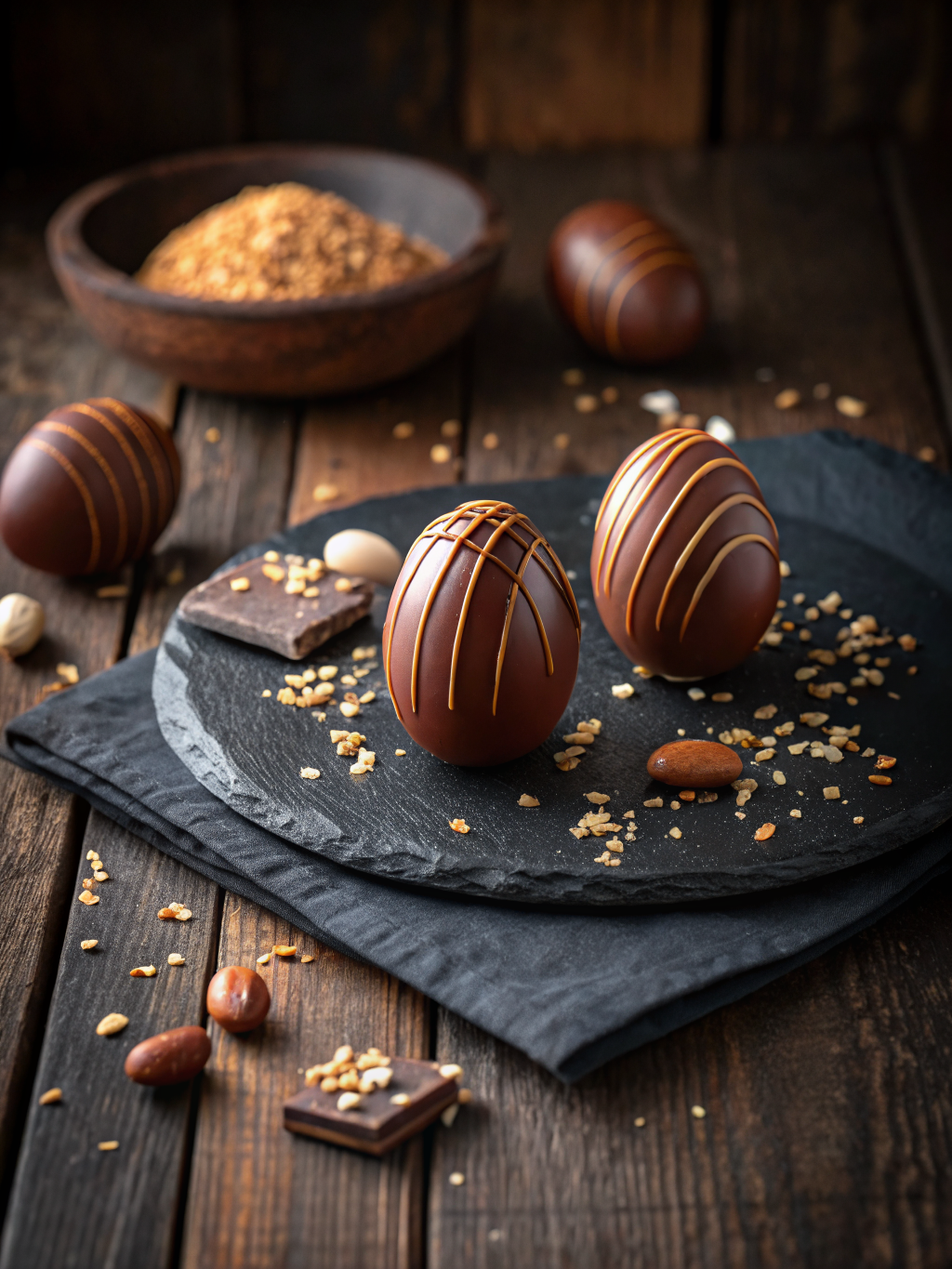
Peanut butter easter eggs take just 45 minutes to prepare and deliver a creamy, chocolatey delight perfect for holiday gatherings. These homemade treats combine smooth peanut butter with a rich chocolate coating, creating a decadent dessert that’s both simple to make and impressive to serve. Whether you’re crafting these for an Easter celebration or simply indulging a sweet tooth, this recipe ensures a satisfying result every time.
Why This Peanut Butter Easter Eggs Works
These peanut butter easter eggs work because of their perfect balance of flavors and textures. The creamy peanut butter filling is rich and smooth, providing a delightful contrast to the crisp chocolate shell. This combination creates a treat that is not overly sweet, allowing the natural flavors of peanut butter and chocolate to shine through. The process of making these eggs is straightforward, requiring minimal ingredients and effort. By using high-quality chocolate and fresh peanut butter, you enhance the overall taste and texture, making these eggs a standout addition to any dessert table.
Another reason this recipe is successful is its adaptability. You can easily adjust the sweetness or add different flavors to the filling, such as a hint of vanilla or a sprinkle of sea salt. This flexibility allows you to cater to different taste preferences, ensuring everyone enjoys these delightful treats. Plus, making them at home means you can control the size and shape, customizing them to fit your presentation needs. Overall, these peanut butter easter eggs are a delicious and versatile dessert option that works for various occasions.
Ingredients Notes
To make the best peanut butter easter eggs, start with quality ingredients. Use creamy peanut butter for a smooth filling, but if you prefer a bit of texture, chunky peanut butter works too. Choose a good-quality chocolate for coating; dark, milk, or white chocolate all complement the peanut butter well. For added richness, consider using a mix of chocolates. If you’re adding vanilla extract, ensure it’s pure for the best flavor.
Powdered sugar is essential for sweetening and thickening the peanut butter mixture. It helps achieve the right consistency for shaping the eggs. A pinch of salt enhances the flavors, balancing the sweetness and highlighting the peanut butter’s natural taste. If you want to add a decorative touch, consider using colored sprinkles or edible glitter on the chocolate coating. These additions can make your peanut butter easter eggs visually appealing and festive.
Step by Step Instructions
Step 1: Begin by combining the peanut butter, powdered sugar, and a pinch of salt in a large mixing bowl. Stir until the mixture is smooth and well combined. The consistency should be thick enough to hold its shape when molded.
Step 2: Once the mixture is ready, use a spoon or your hands to form small egg shapes. Place them on a baking sheet lined with parchment paper. If the mixture is too sticky, refrigerate it for 10 minutes before shaping.
Step 3: Melt the chocolate in a microwave-safe bowl or over a double boiler. Stir until smooth and glossy. Ensure the chocolate is not too hot, as it can melt the peanut butter filling.
Step 4: Dip each peanut butter egg into the melted chocolate, using a fork to ensure even coating. Let the excess chocolate drip off before placing the eggs back on the parchment paper.
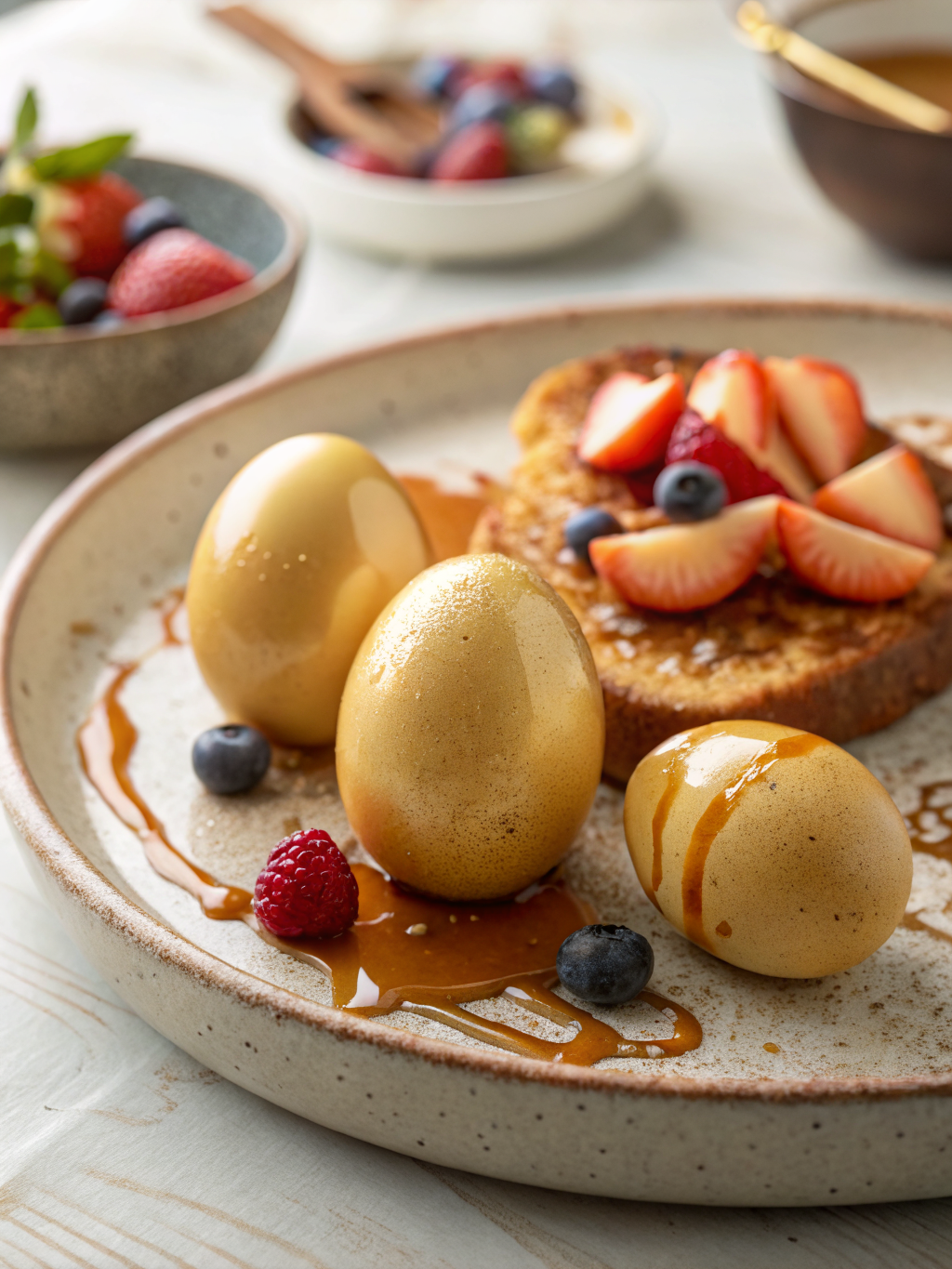
Step 5: Allow the chocolate to set at room temperature or refrigerate the eggs for quicker results. Once the chocolate is firm, your peanut butter easter eggs are ready to enjoy or store for later.
Expert Tips for the Best Peanut Butter Easter Eggs
For the best peanut butter easter eggs, ensure your peanut butter mixture is the right consistency. If it’s too soft, add more powdered sugar until it firms up. When melting chocolate, avoid overheating to prevent it from seizing. Stir frequently and remove from heat just before it’s fully melted, letting residual heat finish the job.
To make dipping easier, use a fork to lower the eggs into the chocolate, allowing excess to drip off before placing them on the parchment. If your kitchen is warm, refrigerate the eggs briefly before dipping to help them hold their shape. For a professional finish, drizzle some contrasting chocolate over the top once the coating has set.
Variations
Customize your peanut butter easter eggs by experimenting with different flavors and textures. Add a teaspoon of vanilla extract or a pinch of cinnamon to the peanut butter mixture for a unique twist. For a crunchy texture, mix in chopped nuts or crushed pretzels.
If you’re a fan of sweet and salty combinations, sprinkle a little sea salt over the chocolate coating before it sets. For a festive look, roll the eggs in colored sprinkles or drizzle with white chocolate. These variations allow you to tailor the recipe to your taste preferences and make it suitable for any occasion.
What to Serve With This Peanut Butter Easter Eggs
Peanut butter easter eggs are a versatile treat that pairs well with a variety of beverages. Serve them with a hot cup of coffee or a glass of cold milk for a classic combination. For a more indulgent experience, pair them with a rich hot chocolate or a creamy milkshake.
If you’re hosting a gathering, consider serving these eggs alongside a selection of other homemade treats, such as [fudgy brownies](https://nourishtable.com/fudgy-brownies-recipe/) or [chocolate chip cookies](https://nourishtable.com/chocolate-chip-cookies-recipe/). These combinations create a delightful dessert spread that guests will love.
Storage and Make-Ahead
Store peanut butter easter eggs in an airtight container at room temperature for up to a week. For longer storage, refrigerate them for up to two weeks. If you’re planning to make them ahead, prepare the peanut butter mixture and shape the eggs, then freeze them before dipping in chocolate.
When you’re ready to serve, simply thaw the eggs and coat them in chocolate. This make-ahead option allows you to enjoy these treats fresh, even when time is limited.
FAQ
Can I use almond butter instead of peanut butter?
Yes, you can substitute almond butter for peanut butter in this recipe. The texture and flavor will be slightly different, but it will still be delicious.
How do I know when the chocolate is set?
The chocolate is set when it is firm to the touch and no longer shiny. You can speed up the process by refrigerating the eggs.
What if my peanut butter mixture is too sticky?
If the mixture is too sticky to shape, add more powdered sugar until it reaches a workable consistency. Chilling the mixture can also help.
Can I freeze peanut butter easter eggs?
Yes, you can freeze them. Place the eggs in an airtight container, separating layers with parchment paper, and freeze for up to three months.
According to Healthline, the key ingredients in this peanut butter easter eggs are packed with essential nutrients, making it a healthy and satisfying choice for the whole family.
Peanut Butter Easter Eggs
Peanut butter easter eggs are a delicious homemade treat combining creamy peanut butter with a rich chocolate coating.
Ingredients
- 1 cup creamy peanut butter
- 1 cup powdered sugar
- 1 pinch salt
- 2 cups chocolate chips (melted)
Instructions
- 1. Combine peanut butter, powdered sugar, and salt in a bowl until smooth.
- 2. Shape mixture into small egg shapes and place on a parchment-lined baking sheet.
- 3. Melt chocolate chips until smooth and dip each egg to coat.
- 4. Let excess chocolate drip off and place eggs back on parchment to set.
- 5. Allow chocolate to set fully before serving or storing.
Recipe by Nora Ellis · NourishTable.com
“`html
Nutritional Information for Peanut Butter Easter Eggs
Understanding the nutritional content of your favorite treats can help you enjoy them responsibly. Peanut butter easter eggs are a delectable indulgence that can fit into a balanced diet when enjoyed in moderation. Each serving of these creamy delights provides a satisfying mix of macronutrients.
- Calories: Depending on the size and ingredients used, a single egg could range from 150 to 200 calories.
- Protein: Peanut butter is a good source of protein, contributing about 4-6 grams per egg.
- Fat: The combination of peanut butter and chocolate provides healthy fats, with approximately 10-12 grams per serving.
- Carbohydrates: Including the chocolate coating and added sugars, each egg contains around 15-18 grams of carbohydrates.
- Sugar: These treats contain about 10-12 grams of sugar, so it’s wise to enjoy them as an occasional treat.
While these numbers can vary, keeping these values in mind can help you enjoy your peanut butter easter eggs without overindulging.
Common Mistakes When Making Peanut Butter Easter Eggs
Creating perfect peanut butter easter eggs can be simple, but there are common pitfalls that can affect your results. Here are a few mistakes to avoid:
- Using Low-Quality Ingredients: The quality of peanut butter and chocolate significantly impacts the flavor and texture of the eggs. Opt for high-quality options to enhance the overall taste.
- Improper Chocolate Melting: Chocolate can easily scorch if not melted properly. Use a double boiler or microwave in short intervals, stirring frequently, to achieve a smooth, glossy finish.
- Skipping the Chilling Step: It’s essential to chill the peanut butter mixture before shaping. This step ensures the eggs hold their shape and are easier to coat with chocolate.
- Overfilling the Eggs: While it might be tempting to pack them with filling, overfilled eggs can break apart when coated with chocolate. Ensure a balance between filling and coating for the best results.
Avoiding these mistakes will help ensure your peanut butter easter eggs are as delightful as possible, providing a perfect holiday treat every time.
Seasonal Variations for Peanut Butter Easter Eggs
While traditionally enjoyed during Easter, peanut butter easter eggs can be adapted for any time of year with a few creative tweaks:
- Halloween: Transform your eggs into spooky treats by using dark chocolate and adding orange-colored sprinkles or edible eyes.
- Christmas: Add a festive touch with red and green sprinkles or incorporate peppermint extract into the filling for a holiday twist.
- Valentine’s Day: Shape the peanut butter mixture into hearts instead of eggs, and use pink or red-colored chocolate for a romantic touch.
- Birthday Celebrations: Customize your eggs with the recipient’s favorite colors or flavors, adding a personal touch to the festivities.
These seasonal variations allow you to enjoy peanut butter easter eggs throughout the year, adapting them to any occasion with ease and creativity.
“`
“`html
Nutritional Information of Peanut Butter Easter Eggs
Understanding the nutritional profile of your favorite treats can help you enjoy them mindfully. Peanut butter easter eggs are a delightful treat, but it’s good to know what they bring to the table. Typically, these eggs are calorie-dense due to their main ingredients: peanut butter and chocolate. A standard serving of one egg can contain approximately 150-200 calories, depending on the size and thickness of the chocolate coating.
In addition to calories, each peanut butter easter egg offers a good amount of protein from the peanut butter, around 4-5 grams per serving. This protein can help keep you satiated. However, they also contain sugars and fats, with around 10-12 grams of sugar and 8-10 grams of fat per egg. Opting for dark chocolate can slightly reduce the sugar content while increasing antioxidants.
Enjoying these treats in moderation as part of a balanced diet is key. If you’re looking to reduce calorie intake, consider making smaller-sized eggs or reducing the amount of chocolate coating.
Common Mistakes to Avoid When Making Peanut Butter Easter Eggs
While making peanut butter easter eggs is relatively straightforward, a few common mistakes can affect the final outcome. One typical error is not chilling the peanut butter mixture long enough. It’s crucial to ensure the filling is firm before dipping it in chocolate, as this helps maintain the eggs’ shape and prevents them from melting or deforming.
Another mistake is overheating the chocolate. Chocolate should be melted slowly over low heat or in short bursts in the microwave to prevent burning. Burnt chocolate can have a bitter taste and a gritty texture, which can ruin your easter eggs.
Lastly, ensure the eggs are stored in a cool, dry place. Humidity or warm temperatures can cause the chocolate to bloom or the filling to soften, diminishing both the appearance and texture of your peanut butter easter eggs.
Seasonal Variations for Peanut Butter Easter Eggs
While these treats are a staple during Easter, you can enjoy them year-round by adapting the recipe to fit different seasons or holidays. For a festive twist during Christmas, consider adding a dash of cinnamon or nutmeg to the peanut butter filling. These spices complement the flavors beautifully and add a holiday touch.
For a summer version, try infusing the chocolate coating with a hint of mint extract. This refreshing flavor pairs well with peanut butter and provides a cool, tasty contrast during warmer months. Additionally, using colorful decorations that match the season, such as red and green sprinkles for Christmas or pastel colors for spring, can make these treats suitable for any occasion.
Experimenting with these variations can keep your peanut butter easter eggs exciting and enjoyable throughout the year.
“`


One Comment
Comments are closed.